
VPN vs Tor: Understanding the Differences
When people start exploring online privacy, two technologies always come up: VPNs and Tor. Both help protect your privacy, but they work in fundamentally different ways and serve different purposes. Let’s break down what each does and when you might want to use one over the other.
What Is a VPN?
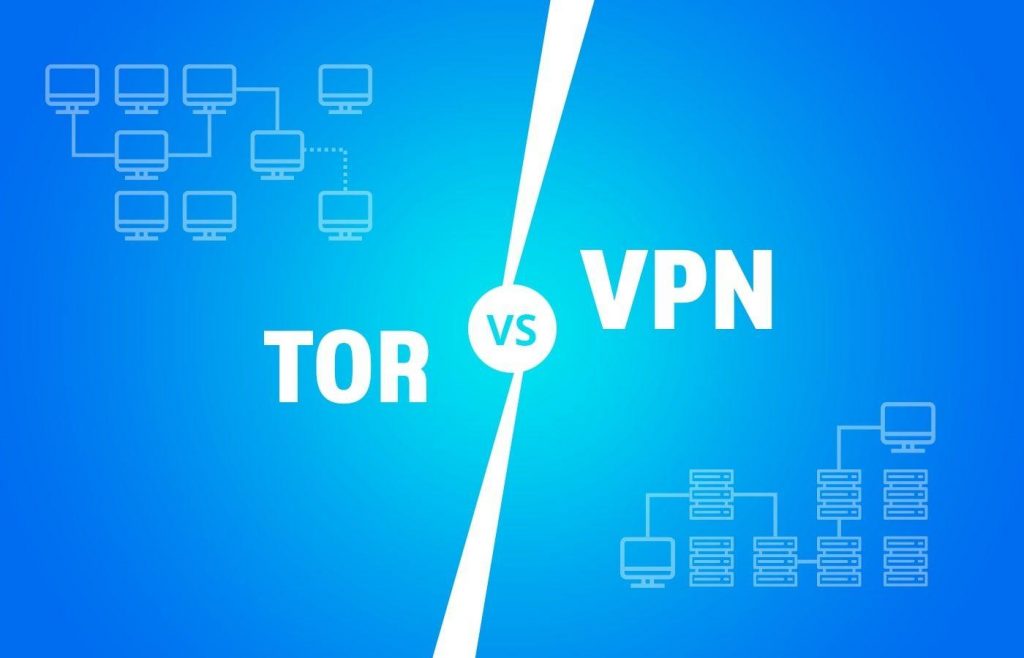
A Virtual Private Network (VPN) creates an encrypted tunnel between your computer and a server operated by the VPN company. All your internet traffic flows through this tunnel to the VPN server, which then forwards it to wherever you’re trying to go online.
To websites you visit, it looks like your traffic is coming from the VPN server, not your real location. Your internet service provider (ISP) can see you’re connected to a VPN, but they can’t see what websites you’re visiting or what you’re doing online.
How Tor Is Different
Tor, on the other hand, routes your traffic through three or more randomly selected volunteer-operated servers before it reaches its destination. Each server only knows about the server immediately before and after it in the chain. This creates multiple layers of encryption – hence the “onion” metaphor.
Unlike VPNs, no single server (or organization) knows both where your traffic is coming from and where it’s going. This distributed trust model is Tor’s fundamental strength.
Key Differences That Matter
Trust Model: With a VPN, you’re trusting a single company with your data. That company can see both your real IP address and everything you do online. With Tor, no single point in the network has complete information about your activity.
Speed: VPNs are generally much faster because your traffic only makes one extra hop (to the VPN server). Tor routes through multiple servers and adds encryption layers, making it noticeably slower.
Cost: Quality VPN services typically require a monthly or annual subscription. Tor is completely free and always will be – it’s run by volunteers and nonprofit organizations.
Anonymity Level: Tor provides stronger anonymity because of its distributed trust model. VPN providers could theoretically log your activity (though reputable ones claim not to). Tor’s design makes logging much more difficult.
When to Use a VPN
Streaming content: VPNs are fast enough for video streaming
Protecting data on public WiFi: Encrypts your traffic from snooping on untrusted networks
Bypassing geographic restrictions: Access content available in specific countries
Hiding activity from your ISP: Prevent your internet provider from seeing or selling your browsing data
Business use: Securely accessing company resources remotely
When to Use Tor
Maximum anonymity: When you need strong protection of your identity
Accessing .onion services: Websites only available through Tor network
Censorship circumvention: Accessing blocked content in restricted countries (though this can be risky)
Research: Browsing without your location influencing search results or content
Whistleblowing or journalism: When source protection is critical
Can You Use Both Together?
Yes, and there are two main approaches. “Tor over VPN” means connecting to a VPN first, then using Tor. This hides your Tor usage from your ISP but doesn’t improve Tor’s anonymity. “VPN over Tor” is more complex and less common, providing the VPN provider with less information about you.
For most people, using either one alone is sufficient depending on your needs.
Common Misconceptions
A VPN doesn’t make you anonymous – it shifts trust from your ISP to the VPN provider. Tor doesn’t make everything you do untraceable – you can still de-anonymize yourself by logging into personal accounts or revealing identifying information.
Neither tool is illegal to use in most countries. They’re privacy tools, like curtains on your windows. They provide privacy, which isn’t inherently suspicious or wrong.
Making the Right Choice
For everyday privacy needs – protecting your data on coffee shop WiFi, preventing ISP snooping, accessing geo-restricted content – a reputable VPN is usually the right choice. It’s fast, easy to use, and provides solid privacy for most purposes.
For situations requiring strong anonymity – journalism, research, activism, whistleblowing – Tor’s distributed trust model provides stronger protection. The speed tradeoff is worth it when anonymity is critical.
Understanding these differences helps you choose the right tool for your needs. Both VPNs and Tor have valuable roles in protecting online privacy, and knowing when to use each makes you a more informed digital citizen.